
cropper
update
Sustainable Travel News
 Your Travel Supporting Your Values
update
  • Home
  • Categories
    • Voluntourism
    • Ethical tourism
    • Responsible tourism
    • Eco-tourism
    • Sustainable travel
    • Trending tourism
July 15.2025
3 Minutes Read

New ESTA Fee Increase and Brand USA Budget Cuts: What Travelers Must Know

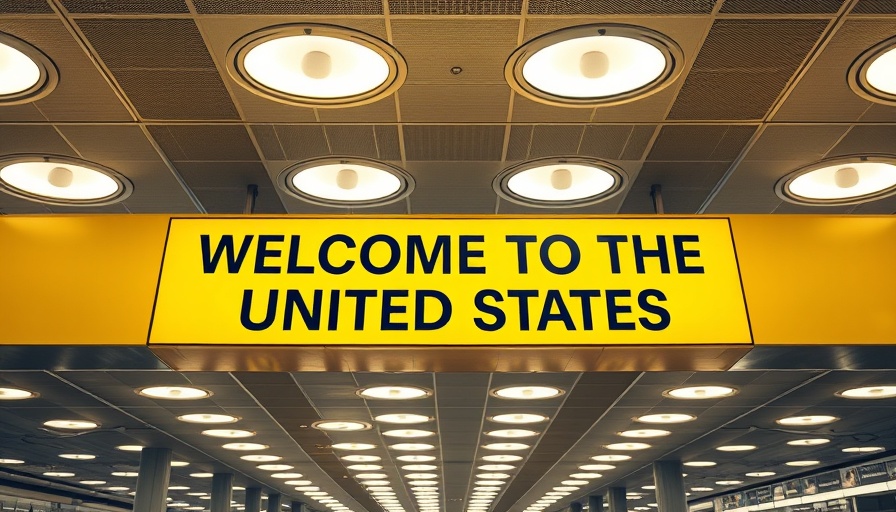
Bright U.S. welcome sign at airport terminal, ESTA fee increase impact on U.S. tourism.

U.S. Tourism at a Crossroads: Understanding the Impact of New ESTA Fee

As international travel to the United States prepares to become notably more expensive, a recent decision by Congress to double the Electronic System for Travel Authorization (ESTA) fee has raised eyebrows worldwide. This fee, now set at $40, reflects not only a growing burden on travelers but also comes at a time when significant budget cuts have been imposed on Brand USA, the agency responsible for marketing American tourism destinations.

The Alarm Raised by Industry Leaders

The U.S. travel landscape is at a turning point, especially with globally significant events like the 2026 FIFA World Cup and the 2028 Summer Olympics on the horizon. Industry officials are understandably concerned about the repercussions of these changes. Geoff Freeman, head of the U.S. Travel Association, expressed his disappointment regarding the doubled ESTA fee and the slashed Brand USA budget, stating, “These moves may deter visitors at a time when we should be welcoming them with open arms.”

Freeman emphasized that the increased fee is akin to a “self-imposed tariff,” underscoring the belief that such financial barriers could alienate potential tourists, making America less competitive in the global tourism market. The expectation is that with less promotion and increased costs, travel interest could wane—particularly from international tourists who are often looking for affordability and accessibility.

Implications for Potential Travelers

These changes have practical implications for travelers as well. With the ESTA fee now almost doubling, international visitors will need to adjust their budgeting for trips to the U.S., adding an extra $19 for visa-free entry. This adjustment could lead many to reconsider their options or to explore other destinations offering more affordable travel experiences.

Seizing Opportunities Amid Challenges

As the U.S. positions itself to host major global events, the travel industry must navigate considerable challenges. The tension between increasing fees and reducing marketing funds creates potential pitfalls, yet it also presents opportunities for reevaluation and revitalization. Stakeholders are urged to find solutions that will keep America appealing to international visitors, perhaps by advocating for reinstated funding for Brand USA or promoting unique short-term incentives.

Looking Ahead: Can U.S. Tourism Adjust?

The impending changes present a crucial juncture for the U.S. tourism industry—a moment to reflect on what could be done differently. As travelers anticipate the new fee structures and marketing approaches, a community-focused and sustainable travel strategy could prove invaluable. Engaging international markets with storytelling that highlights the positive aspects of U.S. tourism while addressing global environmental concerns can resonate deeply with the modern traveler.

The Human Connection: Embracing Responsible Tourism

As people increasingly lean towards travel experiences that emphasize sustainability, the U.S. must adapt its narrative. Travelers are often drawn to destinations that not only offer amenities but also showcase responsible tourism practices. Incorporating eco-friendly initiatives, partnering with local communities, and supporting grassroots projects can enhance U.S. tourism's image.

The Role of Local Communities in Shaping Tourism

Moreover, local engagement plays an essential part in reshaping perceptions about American destinations. By fostering relationships between tourists and communities, the U.S. tourism sector can cultivate meaningful experiences that not only benefit travelers but also uplift local economies. Highlighting stories of how communities thrive and adapt can create a stronger connection between international visitors and the places they choose to explore.

Call to Action: Discover the Joy of Travel Responsibly

As you plan your next adventure, think about the impact of your travel choices. Explore destinations that celebrate sustainability and responsible tourism, and be part of a movement that prioritizes ethical engagement over economic convenience. Discover how embracing these values can lead to enriching experiences that make a positive impact on local communities.

Responsible tourism

Write A Comment

*
*
Please complete the captcha to submit your comment.
Related Posts All Posts
02.24.2026

Discover Why Ramadan Is a Special Time for Sustainable Travelers

Update Ramadan: An Invitation to Experience Cultural Richness The holy month of Ramadan, observed by nearly two billion Muslims around the world, is not only a time for fasting and reflection but also a remarkable opportunity for travelers to immerse themselves in unique cultural experiences. As the dates of Ramadan vary each year according to the lunar calendar, in 2026, it begins around mid-February and culminates in the festive celebration of Eid al-Fitr about a month later. This year, travelers who venture into Muslim-majority countries during this sacred period not only witness the transformative power of faith on local customs but can also partake in the joys of the community. Understanding Local Customs During Ramadan For many visitors, concerns about restrictions during Ramadan prompt questions: Can I eat or drink openly during the day? Will attractions remain open? Understanding local customs is essential for a respectful and enjoyable experience. In countries like Egypt, Morocco, Tunisia, and Turkey, non-Muslims are typically encouraged to refrain from public eating or drinking. Restaurants may remain open but will often do so discreetly behind curtains, blending respect for the locals with the needs of tourists. It’s a gesture of good manners that goes a long way in nurturing intercultural relationships. Ramadan Nights: A Festive Atmosphere Awaits As the sun sets, Ramadan brings a vibrant atmosphere that awakens cities from their daytime hush. The evening moment of iftar—the meal that breaks the fast—invites friends and families to gather and share delicious meals. Visitors can witness the energy shift; markets become bustling hubs offering traditional foods and special Ramadan-themed activities. Many cities host delightful Ramadan tents and street bazaars filled with local delicacies, providing travelers with mouthwatering experiences and the chance to mingle with locals. Practical Tips for Sustainable Travel During Ramadan Travelers looking to embrace sustainability during Ramadan can do so thoughtfully by planning their itineraries respectfully. This might include engaging in local charity events or eschewing plastic by carrying reusable containers when invited to share in iftar meals. Tours and activities should be arranged with flexibility in mind; many attractions may operate on adjusted schedules to accommodate for fasting hours. As travelers navigate logistics, using apps to book transportation in advance can mitigate the post-iftar rush that floods the streets. Experiencing Ramadan: Join the Celebration While it's not necessary for non-Muslims to fast, many choose to join in for a day—sharing the experience of hunger and humility can foster deeper connections with local communities. One cherished tradition is the suhoor, a pre-dawn meal that can turn into a bustling affair filled with laughter and candid conversations. Being invited to an iftar meal is considered a mark of hospitality, allowing travelers to forge friendships and gain insights into customs. Such moments elevate travel beyond sightseeing, transforming visits into heartfelt exchanges of culture. The Importance of Respect: What to Wear and How to Behave When visiting countries during Ramadan, respecting local traditions extends beyond dietary customs. Modesty in dress is paramount; travelers are encouraged to wear clothing that covers the shoulders and knees, reflecting the community's values. Simple adjustments, like foregoing short shorts and sleeveless tops, demonstrate respect for Islamic customs and pave the way for meaningful interactions. The tone of public behavior also shifts during Ramadan—keeping noise to a minimum and avoiding celebrations in public during fasting hours speaks volumes about one's understanding of the month. Final Thoughts The holy month of Ramadan offers a unique lens through which travelers can engage with the world, promote cultural understanding, and embrace sustainability. From wandering lively night markets to partaking in shared meals with locals, the experience provides a compelling chapter in the story of global tourism. As travelers navigate through this extraordinary month, nurturing the bond between cultural respect and responsible exploration illuminates the path for authentic connections. Traveling sustainably empowers not only the traveler but also strengthens the communities visited. Whether it's through participating in local festivities, engaging in charitable endeavors, or simply enjoying a meal sharing with strangers turned friends, Ramadan opens our eyes to the vibrant tapestry of community life that fuels our global society.

02.24.2026

Overnight Stay Tax Could Shape the Future of UK Tourism: Key Insights

Update The Overnight Stay Tax: A Double-Edged Sword for UK Tourism The proposal to introduce an overnight stay tax in the UK has sparked discussions about its potential impact on tourism. As regional authorities gain the power to impose this tax, designed to fund local infrastructure and public services, both supporters and opponents are weighing in. While some city leaders argue that such measures can enhance the attractiveness of their destinations, others, including the World Travel & Tourism Council (WTTC), express concern about the adverse effects on the UK’s tourism competitiveness. Why the Tax? Understanding the Driving Forces The UK government aims to provide local councils with a tool to ensure tourist hotspots can sustain the growth of their services with the anticipated revenue from the overnight tax. With rates potentially set between £2 and £10 per person each night, funds generated could go towards maintaining public spaces, improving transport, and securing cleanliness, all of which are vital for the tourist experience. Mayoral Strategic Authorities would tailor the implementation based on local needs, hoping to foster community development and draw in more visitors through better facilities. Competitiveness: A Concern for Budget Travelers With budget-conscious travelers being particularly sensitive to price alterations, the potential for increased costs may deter visitors who often turn to alternative destinations like Spain or Portugal. The latest data from the WTTC shows that a £10 nightly levy could lead to a staggering reduction of £14.4 billion in international spending by 2027. Such shifts could spell disaster for small and medium-sized businesses that heavily depend on tourism, particularly in less commercial regions. The current climate indicates a fragile recovery, with UK tourism GDP growth lagging behind global figures, casting a shadow over the effectiveness of this proposed tax. Addressing Local Perspectives: The Community Voice While concerns about economic downsides are valid, advocates, particularly in densely populated cities, argue that the overnight stay tax presents a fair opportunity for tourists to contribute toward funding the very infrastructure they benefit from. Cities like Paris, New York, and Barcelona are already utilizing similar schemes, leading to more well-maintained tourist sites and public services. Proponents assert that the tax aligns with fiscal devolution, enabling local governments to address their specific needs and enhance their community’s appeal. The Outlook on UK Tourism: What Lies Ahead? With upcoming consultations and public discussions, the future of the overnight stay tax remains uncertain. Stakeholders must navigate the complex balance between generating essential funds for local improvements while ensuring the UK remains an enticing travel destination post-pandemic. Will this tax facilitate community growth, or will it impose a barrier for tourists who seek affordable travel options? The coming months will be critical as the decision makers weigh the potential benefits against the long-term implications of such a levy on the UK’s global tourism standing. In Conclusion: A Choice for Sustainable Travel As travelers increasingly seek sustainable options, understanding the implications of such taxes could be integral to shaping a positive travel environment. Engaging in informed discussions about travel choices and local policies will be essential for those keen on supporting responsible tourism while enjoying their adventures. Sustainable travel is not just about the destination; it’s about the choices we make along the journey.

02.23.2026

Berlin's Decline in Overnight Stays: A Call for Sustainable Travel

Update Berlin's Tourism Takes a Hit: A Closer Look The vibrant city of Berlin, once a shining beacon of European tourism, faced a downturn in 2025, recording 29.4 million overnight stays—falling short of the anticipated 30 million. This willingness to acknowledge challenges comes from none other than Visit Berlin’s CEO, Burkhard Kieker, who despite the statistics remains optimistic about the city's tourist appeal. Understanding the Decline The numbers tell a concerning story. In 2024, Berlin hosted 30.6 million overnight stays, reflecting a strong recovery. However, significant downturns were evident with a decrease in both domestic and international visitors. Domestic tourism continued to play a vital role, as Germans accounted for over 58% of the overnight stays. The most impacted international markets were the United States and Britain, with drops of nearly 5% in visitors from these regions. Meanwhile, newer markets, such as Turkey and China, showed promising growth, hinting at shifting global travel trends. The increase in tourist numbers from these nations indicates Berlin's evolving role in the global tourism landscape. What Contributed to the Decline? Key factors contributing to the decline include: The ongoing challenges faced by Berlin Brandenburg Airport (BER), particularly concerning its connectivity and operational capacity compared to other major European hubs. A broader global economic downturn, leading to reduced spending among potential travelers. Competition from other European destinations, particularly those facing overtourism, which have drawn visitors away from Berlin. Moving Forward: Strategies for Renewal Despite the setbacks, there is a roadmap for revitalization. Kieker emphasizes the vital role of trade fairs and cultural events in attracting visitors. Upcoming events in 2026, such as the ILA Aerospace exhibition and InnoTrans, are poised to draw large crowds and bolster tourism. Furthermore, the city's 800th anniversary in 2037 presents a golden opportunity to enhance its appeal as a tourist destination. The Push for Sustainable Travel As the tourism sector navigates these changing dynamics, there is an increasing emphasis on sustainable travel. Berlin aims to position itself as an eco-friendly choice for travelers, promoting options like cycling tours and engaging local experiences that connect visitors with the community. This initiative not only attracts environmentally-conscious tourists but also supports local businesses. Reflecting on the Community Impact The decline in tourist numbers has resonated within the local economy, particularly in districts like Mitte and Kreuzberg, where businesses rely heavily on visitor traffic. Restaurants, bars, and shops have felt the pinch, prompting many to adapt quickly. The pivot towards domestic tourism, while beneficial, underscores the importance of appealing to international markets as well. The Future of Berlin Tourism As the Berlin tourism sector grapples with these challenges, the focus is squarely on leveraging its unique culture, rich history, and diverse offerings. By adopting a community-centered approach and promoting sustainable practices, the city stands to regain its stature as a leading destination. Berlin's journey back to the top will be paved with innovation, inclusivity, and a commitment to offering an authentic experience for all travelers. Visitors seeking a blend of culture and sustainability will find Berlin refining its narrative, ready to welcome the world once more. As we reflect on these changes, it’s essential for every traveler to consider how their choices impact the communities they visit. Embracing sustainable travel options not only enriches personal experiences but also supports the local economy, making every trip a win-win.

Terms of Service

Privacy Policy

Core Modal Title

Sorry, no results found

You Might Find These Articles Interesting

T
Please Check Your Email
We Will Be Following Up Shortly
*
*
*